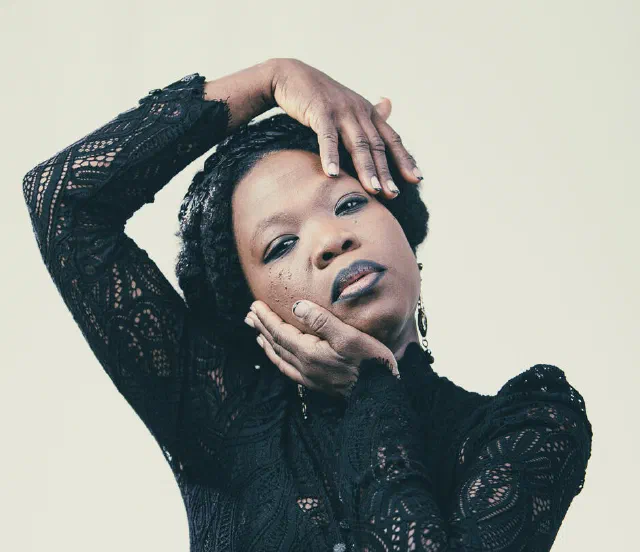
Moonlight Benjamin
Haitian vodou priestess, garage blues energy
Similar to
- Alabama Shakes
- The Black Keys
- Oumou Sangaré
- Dr John
- Delgres
- Bombino
- Patti Smith
Tell us about the project, media, territory and term, or the date and venue for a booking.
Moonlight Benjamin is a Haitian vodou priestess and singer, based in France, who combines the roots of blues and rock with African and Caribbean influences. Her sound is a garage blues-rock steeped in vodou: dark, deep, and driven by raging guitars and propulsive drums. Her albums to date are Siltane (2019), Simido (2020) and Wayo (2023).
Blues, rock and Caribbean roots
Reviews place her between the raw side of Alabama Shakes and The Black Keys and the voice of Oumou Sangaré. Wayo was described as taking rock back to its blues roots, with a 70s American blues-rock feel; one reviewer notes a vocal range from blues-rock belting to near-ululation. The recording features a small band and a few electronic touches. A review of Simido describes a booming, powerful voice over thundering drums.
For sync and licensing
The music relies on a few strong elements: a large voice, heavy drums and gritty guitars. That makes it a natural fit for images that call for intensity and a sense of ritual or rebellion: thrillers, dark drama, period or Caribbean settings, sport or action trailers, or documentaries on Haiti and the diaspora. The slower, more brooding pieces would work for scenes of tension or mourning, and the fuzzier, up-tempo ones for chases or montage. Lyrics are mainly in Haitian Creole, which adds a distinctive texture for projects looking for a voice that is not in English.
Lyrics and spirit
The albums draw on the vodou spirit. A Simido review notes that most songs address the plight of Haiti, with “Kafou” as a tribute to the rebellious spirit of Haitian culture and “Pasay” as a prayer to the spirits for help for the Haitian people. On Wayo (the title translates from Haitian Creole as “cry of pain”), Moonlight Benjamin says there are still a few songs about Haiti, but the album is more universal and philosophical, about connection to the earth and “the source”. “Bafon” is read as a metaphor for Haiti and a message of hope.
A project or a date in mind? Let's talk
Tell us about the project, media, territory and term, or the date and venue for a booking.